Toyota 4Runner Years to Avoid | Complete Reliability Guide
The Toyota 4Runner carries a legendary reputation. Drivers know it as a rugged, durable mid-size SUV built for serious adventure. Many owners proudly watch their odometers cross the 300,000-mile mark without a second thought. However, that bulletproof image does not apply to every single model rolling off the production line.
Despite its fame, certain model years suffer from severe mechanical breakdowns, massive structural rust, and dangerous safety recalls. Buying the wrong used vehicle can quickly drain your bank account and turn a reliable family hauler into an expensive nightmare. If you plan to buy a used 4Runner, you need to know exactly which years to skip. We will help you avoid costly mistakes and guide you toward the safest, most reliable choices on the used market.
Overview of Toyota 4Runner Reliability Across Generations
To understand why some years fail, you have to look at how Toyota built this vehicle over time. Toyota introduced the first 4Runner in 1984. Back then, it was essentially a compact SUV slapped onto a pickup truck platform.
Over five generations, it evolved into a highly capable mid-size SUV. The secret to its core durability is the traditional body-on-frame construction. This design gives the 4Runner the actual strength of a truck, allowing it to handle rough off-road trails and heavy daily driving. Yet, with every new generation, Toyota introduced different engine options, mechanical updates, and complex electronics. Some of these changes completely missed the mark, leading to years of frustration for owners.
Key Factors That Impact 4Runner Reliability
Before we name the exact years you should walk away from, you should understand why they fail. The reliability of a used 4Runner usually comes down to four major components.
Engine and Drivetrain
A bad engine ruins the entire vehicle. Several early 4Runner engines suffered from serious design flaws. Specifically, the older V6 engines struggled with chronic head gasket breakdowns. When a head gasket fails, it causes coolant leaks and severe engine overheating. Fixing this often requires completely replacing the engine, destroying your budget in a single repair.
Structural Integrity
Body-on-frame construction is great for off-road performance, but it has a fatal weakness: rust. Toyota notoriously used poor factory rust protection on several older generations. In states that use heavy road salt during winter, the subframe and trailing arms can corrode completely. Once the frame rusts through, the SUV becomes structurally unsafe to drive.
Suspension and Off-Road Use
People buy 4Runners to drive them hard. Heavy off-road use naturally accelerates wear and tear on the suspension system. However, certain model years featured inherently weak ball joints and shocks straight from the factory. When these components fail, you experience a terrible ride quality and dangerous handling at highway speeds.
Electronics and Recalls
As vehicles modernize, they rely more on computers. The transition from physical mechanics to advanced electronics brought a wave of sensor failures and dashboard glitches. More importantly, certain years face massive safety recalls involving faulty airbags and failing brake systems. Ignoring these recalls puts your life at risk.
The Worst Toyota 4Runner Years to Avoid
Based on thousands of NHTSA complaints, detailed service records, and frustrated owner reviews, you should completely avoid the following model years.
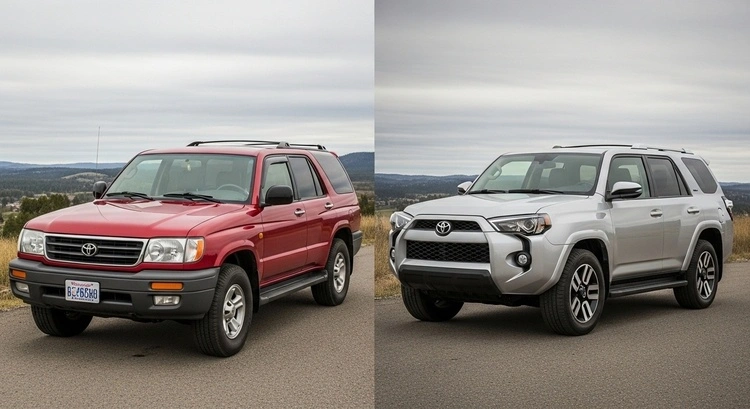
1988–1995 Models: The 3.0L V6 Engine Flaws
If you look at late first-generation and second-generation 4Runners, pay close attention to the engine. Models equipped with the 3.0-liter V6 engine are a massive financial risk. Toyota designed this engine with a fatal flaw that guarantees repeated head gasket failures.
Many owners report blowing a gasket, spending thousands on repairs, and having it blow again just 10,000 miles later. Symptoms include sudden stalling, low idle, and thick white smoke pouring from the exhaust. Furthermore, these older models suffer from severe rear suspension sagging because the factory four-link rear coil setup simply cannot handle the SUV’s weight.
1996–1998 Models: Early Transmission and Rust Issues
The third generation brought some much-needed mechanical updates, but the earliest years struggled to find their footing. The 1996 through 1998 models faced expensive automatic transmission failures. Owners noted rough shifting and complete transmission lock-ups. Additionally, premature brake wear and early signs of body rust began plaguing drivers in coastal and humid climates.
2001–2002 Models: Severe Frame Rust
By 2001, the third generation was ending, but things did not end well. The 2001 and 2002 models are infamous for catastrophic frame rust. The corrosion on these vehicles is so severe that owners report breaking off pieces of the metal frame by hand.
This rust aggressively eats away at suspension mounts and sway bar connections. When you test drive these specific years, you might notice violent swaying and steering shake at 60 mph. Rear differential housing rust also causes gear oil leaks, which can lock up the rear wheels while you drive.
2003–2005 Models: Structural Corrosion and Drivetrain Failures
The launch of the fourth generation in 2003 should have been a fresh start, but it quickly became a disaster. These years continued the legacy of massive frame rust. Mechanics frequently tell owners of these models to stop driving them because the rusted frames are on the verge of collapsing. Frame replacements can cost upwards of $20,000, which instantly totals the car.
Beyond the rust, these years suffered from head gasket failures, failing fuel pumps that cause stalling, and cracked dashboards. If you are comparing mid-size SUVs and want to avoid massive repair bills, you must do your homework. For instance, families often weigh the 4Runner against other models, so checking out the Toyota Highlander years to avoid can give you a better perspective on which crossover might actually suit your budget better.
2010–2012 Models: Airbag Defects and Electrical Faults
When Toyota introduced the fifth generation in 2010, the 4Runner received a massive redesign. However, the early years quickly developed serious safety hazards. The 2010 through 2012 models are heavily involved in the massive Takata airbag inflator recall. Defective passenger airbags can rupture during deployment, spraying dangerous metal fragments into the cabin.
Furthermore, the occupant sensing system often falls out of calibration, meaning airbags might not deploy at all in a crash. Beyond the airbags, owners consistently report seat-heater wiring faults that short-circuit and pose a real fire risk, along with sudden fuel pump failures that leave drivers stranded.
2015 Model: Electronics and Suspension Failures
The 2015 4Runner stands out as a strange outlier surrounded by otherwise reliable fifth-generation years. This specific model suffers from widespread electrical system glitches. Door lock actuator failures happen frequently, leaving drivers completely unable to lock or unlock their doors. In extreme cases, the entire dashboard and radio shut down completely while driving at highway speeds.
Suspension problems also plague this year. Drivers with the X-REAS suspension system report leaking struts before 40,000 miles, resulting in repair bills over $4,000. TRD Pro owners also face cracked front coil springs and unsafe steering wheel vibrations.
Most Common Problems in Avoided 4Runner Years
If you are test-driving a used 4Runner, you need to know exactly what warning signs to look for. The problematic model years share a few major mechanical failures that will instantly drain your wallet.
Head Gasket Failures and Engine Oil Leaks
Early V6 models struggle with blown head gaskets. You will notice thick white smoke coming from the exhaust and constant coolant leaks. Once the gasket fails, the engine overheats rapidly, often requiring a complete rebuild.
Severe Frame Rust and Corrosion
Toyota’s poor rust protection in the early 2000s ruins otherwise great SUVs. This severe frame rust aggressively eats away at brake lines, cross members, and suspension mounts. If a mechanic tells you the frame is unsafe, the vehicle is essentially totaled.
Suspension Wear and Steering Leaks
Heavy off-road use destroys suspension parts. Worn ball joints and shocks create a terrible ride quality. You will feel loose handling, hear loud clunking over bumps, and likely spot power steering fluid leaking under the front bumper.
Brake System and Airbag Defects
Certain years suffer from premature brake rotor wear, causing the steering wheel to shake violently when you hit the brakes. You must also check the dashboard for the airbag warning light, as uncalibrated passenger sensors are a known defect in the early fifth generation.
Best Toyota 4Runner Years to Consider
You do not have to avoid the 4Runner completely. Several model years offer incredible reliability and hold their resale value perfectly.
The 2007 through 2009 models are fantastic choices. By this time, Toyota fixed the terrible head gasket and massive rust issues of the early 2000s. If you want a modern vehicle, the 2013, 2014, and 2016 models are excellent because they avoid the strange electrical bugs of the 2015 edition. Finally, the 2017 through 2022 models stand as the safest bets on the used market, featuring advanced safety technology and proven drivetrain reliability.
Of course, a rugged mid-size SUV is not for everyone. If you realize that an off-road beast is simply too much vehicle for your daily commute, exploring a lineup of small Toyota cars offers a highly practical, fuel-efficient alternative that still delivers that legendary Toyota longevity.
Maintenance and Recalls to Watch For
Keeping a good 4Runner on the road requires strict maintenance. You must stay on top of regular engine and fluid upkeep. Do not skip your oil, coolant, or transmission fluid changes.
Because this is a heavy SUV built for trails, you also need to prioritize suspension and steering service. Rotate your tires regularly and have your mechanic inspect the ball joints and shocks every year. Finally, always run the VIN through the NHTSA database to ensure previous owners completed all critical brake and airbag recalls.
Tips for Buying a Used Toyota 4Runner
Before you hand over your hard-earned money, follow a strict buying checklist.
First, grab a flashlight and inspect the frame and undercarriage for severe rust, especially if the car lived in a snowy or coastal area. Second, run a detailed vehicle history report to check for accidents and verify service records. A 4Runner with 150,000 miles and perfect maintenance records is usually a safer buy than one with 80,000 miles and zero history.
Always pay an independent mechanic for a Pre-Purchase Inspection (PPI). Have them test the 4WD system, the climate control, and look for oil leaks. Lastly, walk away from highly abused off-road builds; let someone else pay for that previous owner’s weekend damage.
Conclusion
The Toyota 4Runner is an incredible machine, but blind brand loyalty can lead you into a financial trap. By skipping the years plagued by engine failures, massive frame rust, and electrical defects, you protect your investment. Take your time, demand a thorough inspection, verify the maintenance history, and you will drive home in an SUV that will easily last for decades.