
Small Toyota cars dominate the global urban landscape. Drivers consistently choose them for navigating tight city streets and handling daily commutes. These vehicles combine high fuel efficiency with a highly manageable physical footprint. City driving requires immediate agility and quick steering responses. A compact Toyota delivers exactly that without forcing the driver to sacrifice interior comfort or mechanical reliability.
What Defines a Small Toyota Car?
A small Toyota car is a vehicle engineered with reduced exterior dimensions, a shorter wheelbase, and a smaller engine displacement. Automotive industry experts categorize these vehicles into the A-segment, B-segment, and C-segment. The A-segment includes ultra-compact city cars. The B-segment covers subcompacts like superminis. The C-segment represents traditional compact cars.
Engineers design these specific models to easily maneuver through crowded streets and fit into heavily restricted parking spaces. They weigh significantly less than midsize sedans or full-size SUVs. This weight reduction translates directly to a tighter turning circle, lighter steering effort, and immediate braking response.
Why Choose Toyota Compact Cars?
Buyers select Toyota compact cars primarily for their proven mechanical longevity. Toyota builds engines and transmissions that last hundreds of thousands of miles with only basic scheduled maintenance. This brand reliability creates exceptional long-term financial value for the owner.
First-time drivers and daily city commuters appreciate the straightforward cabin ergonomics. These cars cost less to purchase at the dealership and demand far fewer stops at the gas pump compared to larger vehicles. Their modern exterior designs also make them highly attractive on the road. In fact, many buyers actively searching for cute cars for women often purchase models like the Yaris or Corolla Hatchback because they perfectly blend contemporary styling with everyday practicality.
The Ultimate Lineup: Best Small Toyota Cars
Toyota manufactures a highly diverse range of compact and subcompact models. Each distinct model serves a specific demographic, from the budget-conscious student to the dedicated driving enthusiast. Below is a comprehensive breakdown of the top small models in the Toyota lineup.
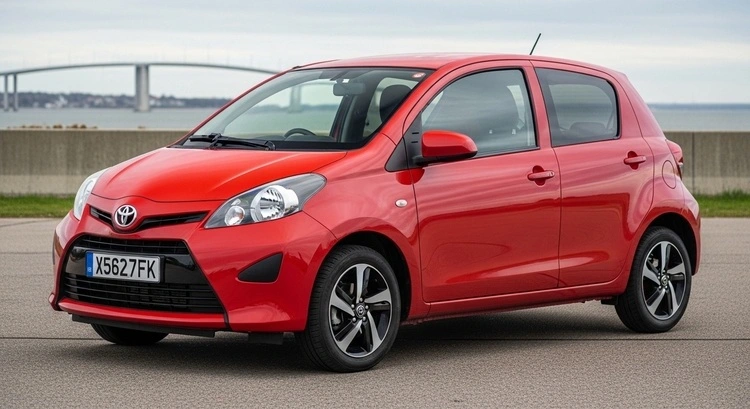
Toyota Prius & Prius Prime
The Toyota Prius is a C-segment hybrid liftback that established the foundation for mass-market eco-friendly driving. It pairs a traditional petrol engine with an electric motor to achieve massive fuel savings. Drivers regularly record up to 57 miles per gallon during low-speed city driving.
The Toyota Prius Prime expands on this technology by operating as a plug-in hybrid vehicle (PHEV). This mechanical setup gives drivers a dedicated electric-only driving range before the petrol engine engages. Both versions feature a teardrop aerodynamic shape that intentionally minimizes wind drag coefficient.
Toyota Yaris, Yaris Cross, & GR Yaris
The Toyota Yaris stands as a multi-award-winning B-segment hatchback. Its fifth-generation self-charging hybrid system allows drivers to complete a large percentage of low-speed urban trips relying entirely on battery power.
For drivers requiring expanded cargo capacity, the Toyota Yaris Cross functions as a compact SUV alternative. It provides a raised seating position and a 397-liter rear boot while strictly maintaining its small car footprint. Conversely, the Toyota GR Yaris targets the performance market. Toyota Gazoo Racing engineered this hot hatch with a high-output turbocharged engine and advanced all-wheel-drive systems built strictly for aggressive speed and cornering control.
Toyota Corolla & Corolla Hatchback
The Toyota Corolla holds the verified title of the best-selling automotive nameplate in global history. Operating as a compact sedan, it maximizes daily ride comfort, interior sound insulation, and predictable handling. Families trust the Corolla for its consistently high crash test ratings.
The Toyota Corolla Hatchback modifies this standard blueprint by swapping the traditional trunk for a rear liftgate. This structural change vastly improves rear cargo loading flexibility. The hatchback variant also utilizes a slightly firmer suspension setup and features sharper, more aggressive exterior styling cues.
Toyota Aygo X
The Toyota Aygo X represents the absolute smallest vehicle currently in the global Toyota family. Toyota markets this A-segment vehicle primarily in Europe as an urban crossover. It relies on a highly efficient 1.0-liter, 3-cylinder petrol engine. The ultra-compact physical footprint allows drivers to weave through heavy gridlock and claim parallel parking spots that larger vehicles must abandon. Despite its entry-level size, the Aygo X includes advanced radar-based safety technology.
Toyota GR86
The Toyota GR86 proves that small cars can deliver intense driving thrills. This compact sports coupe targets dedicated driving enthusiasts. It utilizes a lightweight chassis, a front-engine, rear-wheel-drive layout, and a 2.4-liter naturally aspirated boxer engine. The extremely low center of gravity provides precision steering on winding roads. It intentionally sacrifices rear passenger legroom to achieve near-perfect vehicle weight distribution.
Regional and Legacy Models: Urban Cruiser, Etios, Agya, & Raum
Toyota actively tailors certain small cars to meet the demands of specific international markets. The Toyota Urban Cruiser acts as a rugged, raised subcompact SUV for emerging economies. The Toyota Etios focuses entirely on mechanical durability and low running costs. The Toyota Agya offers basic, highly efficient A-segment hatchback utility. Finally, legacy models like the Toyota Raum showcase Toyota’s historical design innovation. The Raum functioned as a compact multi-purpose vehicle, incorporating minivan-style sliding doors directly onto a small car frame.
Comparing Key Features: What Matters Most?
Choosing the right small Toyota requires a careful evaluation of your daily driving habits. Buyers must weigh powertrain performance against interior comfort and overall budget constraints to find the perfect match.
Engine Options and Performance
Toyota engineers equip their compact cars with highly refined powertrains. Traditional internal combustion engine (ICE) models use small-displacement, four-cylinder engines to balance power and weight. Many newer models utilize Continuously Variable Transmissions (CVT). A CVT eliminates traditional gear shifts, providing seamless acceleration in stop-and-go city traffic. Furthermore, Toyota’s self-charging hybrid systems seamlessly switch between the petrol engine and the electric motor, delivering immediate torque when the light turns green.
Fuel Efficiency and Consumption Ratings
Small Toyota cars dominate the industry in fuel economy. Their lightweight frames require significantly less energy to move. Drivers piloting a hybrid Toyota Prius or Yaris routinely see fuel efficiency ratings exceeding 50 miles per gallon (MPG). This massive reduction in fuel consumption keeps monthly fuel costs low and drastically reduces harmful carbon emissions in dense urban centers.
Interior Space, Technology, and Comfort
Despite their small exterior dimensions, Toyota compacts maximize interior cabin space. Clever engineering pushes the wheels to the far corners of the chassis, opening up vital headroom and legroom for adult passengers. Models like the Yaris Cross even offer a spacious 397-liter boot for groceries or luggage. Toyota also packs these vehicles with modern technology. Drivers enjoy standard Apple CarPlay, Android Auto, and the advanced Toyota Safety Sense suite, which includes pre-collision warnings and lane departure alerts.
Price, Value, and Affordability
Toyota vehicles hold their resale value better than almost any other automotive brand. This long-term value makes them incredibly affordable to own over a five- or ten-year period. Dealerships price the base models competitively to attract first-time buyers. To further manage transportation expenses, many cost-conscious consumers actively look for car leases under $200 a month with no money down to secure a reliable, brand-new compact Toyota without draining their savings.
Pros and Cons of Small Toyota Cars
Every vehicle segment presents unique advantages and inherent compromises. Understanding these factors helps buyers set realistic expectations.
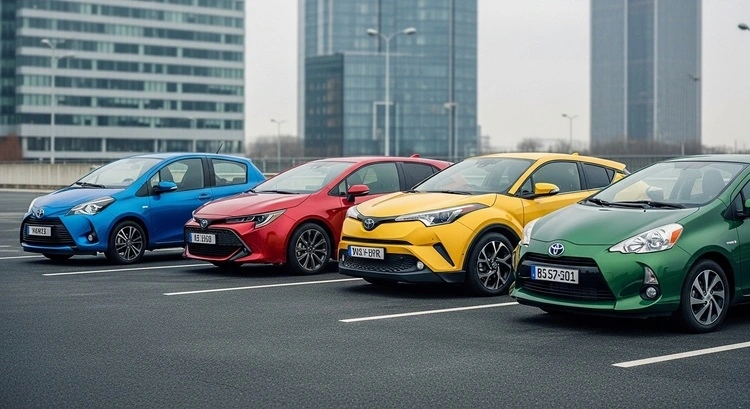
The Advantages
Small Toyota cars excel in urban environments. They slip effortlessly into parallel parking spots and navigate narrow alleys with ease. Their high fuel economy saves owners thousands of dollars at the gas pump. Finally, Toyota’s legendary build quality means these cars rarely visit the mechanic for anything beyond routine maintenance.
The Limitations
Compact dimensions naturally limit interior cargo capacity. Large families will struggle to fit multiple car seats and strollers inside a Yaris. Additionally, the smaller engines prioritize fuel economy over raw horsepower. Drivers may notice a lack of rapid passing power when merging onto high-speed highways or driving up steep mountain roads.
Tips for Maintaining Small Toyota Cars
Proper maintenance extends the lifespan of any vehicle. Following a strict service schedule protects your automotive investment and guarantees reliable daily performance.
Regular Oil Changes
Engine oil lubricates moving metal parts and prevents catastrophic engine failure. Change the oil and replace the oil filter strictly according to the manufacturer’s timeline. Fresh oil keeps the small displacement engine running smoothly and efficiently.
Check Tire Pressure and Alignment
Underinflated tires force the engine to work harder, directly ruining your fuel economy. Check your tire pressure monthly. Furthermore, hit a deep city pothole, and you might ruin your wheel alignment. Regular alignment checks prevent uneven tire wear and keep the car driving straight.
Replace Air and Cabin Filters
A dirty engine air filter chokes the engine, reducing acceleration and fuel efficiency. Similarly, the cabin air filter blocks exhaust fumes, dust, and pollen from entering the interior. Replace both filters annually so the engine and the passengers can breathe clean air.
Inspect Brakes Regularly
Stop-and-go city driving heavily wears down brake pads and rotors. Ask your mechanic to measure brake pad thickness during every tire rotation. Replacing worn pads early prevents expensive damage to the metal brake rotors.
Keep the Battery in Good Condition
Inspect the 12-volt battery terminals for corrosive acid buildup. Clean the connections with a wire brush to ensure the car starts reliably every morning. For hybrid models, rely on certified Toyota technicians to run periodic diagnostic software checks on the high-voltage battery system.
Bottom Line: Final Thoughts on Small Toyota Cars
Small Toyota cars provide the ultimate solution for modern city driving. They consume minimal fuel, fit into tight spaces, and deliver unmatched mechanical reliability. Whether you choose the ultra-efficient Prius, the agile Yaris, or the dependable Corolla, a compact Toyota guarantees a stress-free, cost-effective daily commute.
FAQs
What Is Toyota’s Smallest Car?
The Toyota Aygo X holds the title of the smallest car in the global Toyota lineup. It operates as an A-segment urban crossover specifically designed for tight European city streets.
What Is the Lowest-Priced Toyota Compact Car?
The Toyota Corolla generally represents the most affordable entry point into the brand’s compact lineup in many global markets. It offers exceptional value, standard safety features, and decades of proven reliability at a highly competitive starting price.
What Are the General Toyota Problems?
Modern Toyota vehicles rank among the most reliable cars on the road. However, historically, some older generation models (built in the late 2000s) experienced excessive engine oil consumption. Regular oil checks easily mitigate this issue.


