
If you are in the market for a used compact SUV, the Mazda CX-5 probably sits near the top of your list. It offers a sporty ride, excellent fuel economy, and a stylish exterior. However, buying a used car always carries some risk. While most models perform incredibly well, certain years struggle with mechanical and electrical flaws.
To protect your wallet, you need to know exactly which Mazda CX-5 years to avoid. Let’s break down the reliability of this popular crossover so you can make a smart, stress-free purchase.
An Overview of Mazda CX-5 Reliability
Overall, the Mazda CX-5 earns high praise for its dependability. It competes fiercely with heavyweights like the Toyota RAV4 and Honda CR-V. Drivers love its upscale interior and sharp handling. Its sleek design even makes it a top contender for anyone looking for cute cars for women that do not compromise on safety or utility.
Still, early tech adoption caused a few speed bumps. Mazda built this SUV around its innovative Skyactiv technology. This platform boosts engine performance and fuel efficiency without relying on hybrid systems. While the tech is brilliant now, the earliest versions had a steep learning curve. Understanding the vehicle’s history helps explain why certain years fall short.
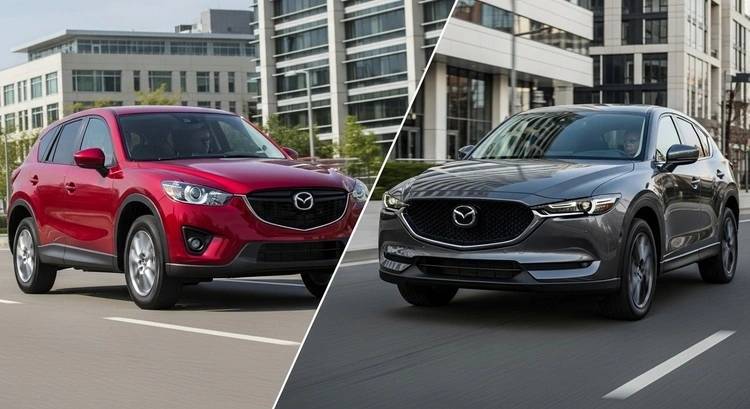
Mazda CX-5 Generations Explained
Automakers group car models into generations. Each generation shares the same basic chassis, engine options, and technology. Knowing the generation helps you spot recurring issues quickly.
First Generation (2013–2016)
Mazda launched the first generation in 2013. These early models introduced the world to the Skyactiv platform. They delivered great driving dynamics, but they also suffered from growing pains. Owners quickly reported structural complaints like excessive wind noise, along with more serious mechanical faults.
Second Generation (2017–Present)
The 2017 model year brought a major redesign. Mazda focused heavily on creating a quieter, more premium interior and a refined suspension system. For the most part, the second generation is highly reliable. The manufacturer fixed the major engine flaws, though minor sensor and software glitches occasionally pop up.
The Worst Mazda CX-5 Years to Avoid
When you buy a used crossover, your main goal is to avoid high repair bills. Based on owner complaints and mechanic feedback, a few specific years stand out for all the wrong reasons. If you want to skip the headaches, steer clear of these models.
2014 Mazda CX-5 – The Riskiest Model
The 2014 model holds the title of the riskiest year to buy. Its biggest flaw is severe engine oil consumption. The engine burns through oil far faster than it should. If you fail to top it off constantly between regular oil changes, you risk total engine failure. On top of that, drivers frequently complain about glitchy electrical systems and premature brake wear.
2016 Mazda CX-5 – The Most Complained-About Year
Although the 2014 model has the worst engine problem, the 2016 model racked up the highest number of overall complaints. It suffers from a frustrating mix of mechanical and cosmetic issues. Drivers report harsh transmission hesitation when shifting at low speeds. Furthermore, the factory windshields crack easily, and the LED Daytime Running Lights (DRL) fail way too early, leading to expensive replacements.
2018 and 2019 Mazda CX-5 – Mixed Reliability Records
You might think the second generation is completely in the clear, but the 2018 and 2019 models require caution. While they are much safer bets than the 2014 or 2016 versions, they still have mixed reliability records. Owners report annoying fuel system faults that cause engine hesitation. Additionally, the air conditioning systems fail more often than average. Just like checking the Buick Envision years to avoid before making a deal, you must inspect these specific CX-5 years carefully.
The Most Common Issues with Problematic Mazda CX-5 Models
If you end up with a problematic model year, you will likely face a specific set of recurring issues. Knowing exactly what goes wrong helps you prepare for ownership or decide to walk away entirely.
Infotainment System and Electrical Glitches
Many owners report a frustrating defect known as “ghost touch.” The infotainment screen freezes, reboots randomly, or clicks things on its own. This software and hardware glitch easily ruins your navigation and Bluetooth experience, often requiring a total screen replacement.
Transmission Hesitation and Jerky Shifts
Older CX-5 models often struggle with rough gear shifts. You might feel a noticeable hesitation or jerk when accelerating from a complete stop. Fixing this usually requires a transmission fluid flush or a software update at the dealership.
Premature Brake Wear
The factory brake pads and rotors on bad years deteriorate incredibly fast. Drivers frequently find themselves replacing these brake components well before hitting the 30,000-mile mark. This adds unexpected out-of-pocket costs and creates a genuine safety hazard.
Engine and Fuel System Issues
As mentioned earlier, early first-generation models burn engine oil at an alarming rate. Meanwhile, some newer models suffer from fuel system faults that lead to engine stalling or hesitation while driving.
Exterior Flaws: Wind Noise, Windshields, and DRLs
First-generation models let in excessive highway wind noise due to poor door insulation. Also, the lightweight factory windshields crack easily under minor stress. Finally, the LED Daytime Running Lights (DRL) often burn out prematurely, forcing you to buy entirely new, expensive headlight assemblies.
Maintenance Costs and Frequency of Repairs
Buying a problematic year significantly drives up your maintenance costs. While routine oil changes are cheap, replacing a faulty infotainment unit or a burned-out LED DRL assembly costs thousands of dollars. These unexpected repairs quickly turn a budget-friendly used car into a major financial burden.
Safety Ratings and Concerns Over the Years
The Mazda CX-5 consistently earns top marks in crash tests. However, the specific years you should avoid do carry digital safety concerns. Owners have reported faulty airbag sensors, automatic emergency braking glitches, and lane-keep assist failures. Always check for active recalls to ensure these systems function properly before you buy.
Best Mazda CX-5 Years You Can Consider Instead
Fortunately, Mazda learns from its mistakes. If you want a dependable daily driver, plenty of model years offer an incredible, trouble-free experience.
2015 & 2017 – The Turning Points
The 2015 model stands out as the sweet spot for budget buyers. Mazda finally fixed the severe engine oil consumption issues by this year. The 2017 model is another fantastic choice because it launched the second generation, offering a much quieter cabin and refined suspension.
2020–2022 – Modern and Refined
If your budget allows, aim for a 2020, 2021, or 2022 model. These recent years feature rock-solid build quality, advanced driver assist tech, and very few consumer complaints.
How to Spot a Reliable Used CX-5: Buying Tips and Checklist
When you finally step onto the lot, use a strict checklist to protect yourself:
- Inspect service records: Look for regular, on-time oil changes.
- Take a thorough test drive: Pay close attention to transmission lags or engine hesitation.
- Test the tech: Play with the infotainment screen and connect your Bluetooth to check for ghost touch.
- Check the brakes: Look at the brake pads and rotors for uneven wear.
- Get a Pre-Purchase Inspection (PPI): Always pay an independent mechanic to inspect the vehicle before you hand over any cash.
Final Verdict: Is the Mazda CX-5 Still a Good Buy?
Absolutely. The Mazda CX-5 remains an excellent, sporty, and reliable compact SUV. As long as you actively avoid the 2014, 2016, and 2018 models, you will secure a fantastic vehicle. Stick to the highly recommended years, follow your buying checklist, and enjoy the ride.


