Are GMC Trucks Reliable? The Ultimate 2026 Dependability Guide
Finding a truck that won’t let you down is a major decision. Whether you are hauling gear for a job site or navigating a family road trip, you need a vehicle that stays on the road and out of the service bay. GMC has long marketed its lineup under the “Professional Grade” banner, but in 2026, savvy buyers look past slogans to analyze real-world data.
The current consensus is that GMC trucks are dependable, though they occupy a specific niche in the market. They are designed for those who want a reinforced chassis and a premium cabin, even if that means managing a few high-tech quirks. This guide explores exactly what you can expect from the brand this year.
The State of GMC Reliability in 2026
GMC has entered 2026 with a reputation for building some of the sturdiest frames in the industry. The brand relies on a work-ready platform designed to handle more stress than a typical commuter vehicle. While many manufacturers struggled with the “EV Reset” transition, GMC’s traditional internal combustion engines (ICE) have remained a stable anchor for the brand.
In recent industry studies, GMC typically lands in the top tier for large light-duty pickups. However, the 2026 landscape is more competitive than ever. While GMC remains a strong contender, it now faces stiff pressure from brands that have recently overhauled their quality control processes.
How Engineering Impacts Longevity
GMC doesn’t just rely on heavy-duty steel; they’ve integrated several mechanical advancements to improve long-term durability:
- TurboMax Engineering: This engine is built with a fully forged-steel bottom end, including the crankshaft and main bearing caps, which helps it withstand the high pressures of turbocharged performance.
- Smart Thermal Management: 2026 models use active cooling systems that prioritize protecting the transmission and engine oil during high-stress scenarios, like towing in extreme heat.
- Reinforced Chassis Architecture: The use of roll-formed high-strength steel in the bed and frame helps the truck resist warping and fatigue over years of heavy hauling.
Quantitative Reliability: Industry Ratings by the Numbers
When looking at the raw statistics, the GMC Sierra 1500 continues to perform well. It currently holds a Quality & Reliability score of 82 out of 100, which is a “Great” rating by professional standards.
According to 2026 data, GMC owners spend an average of $727 to $744 per year on maintenance and repairs. To put that in perspective, the industry average for full-size trucks is closer to $936, meaning a GMC can be significantly more affordable to keep on the road over time.
Competitive Context: How GMC Stacks Up
Understanding where GMC fits requires a look at its main rivals:
- GMC vs. Ford: The Ford F-150 currently leads many 2026 rankings due to a simplified manufacturing process that reduced build defects. However, GMC often edges out Ford in interior material durability and diesel engine longevity.
- GMC vs. Toyota: The Toyota Tundra remains the king of resale value, but recent 2025–2026 data suggests it has stumbled slightly with its new twin-turbo V6 reliability, allowing the GMC Sierra 1500 to close the gap.
- GMC vs. Ram: While the Ram 1500 offers a smoother ride, it has faced 2026 recalls related to its digital instrument clusters. GMC’s electronics have proven slightly more stable in initial reports this year.
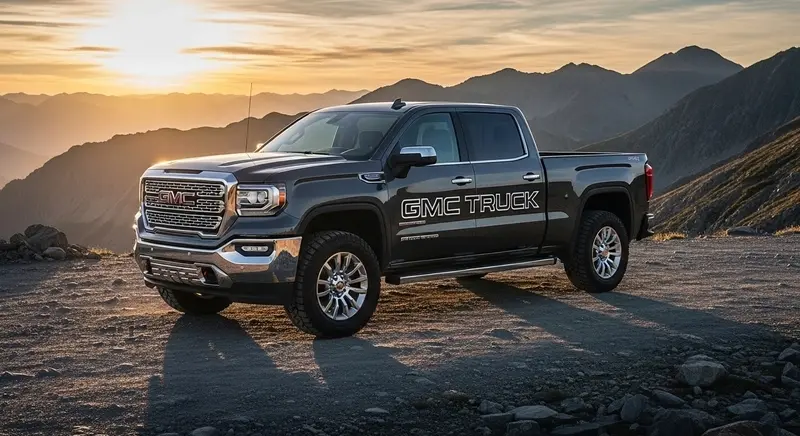
Model Spotlight: Durability for Every Job
GMC offers a tiered approach to reliability. Depending on how much “truck” you actually need, your ownership experience may vary.
The Standard Bearer: Sierra 1500
The light-duty Sierra 1500 is the brand’s most refined model. It has benefitted from years of incremental improvements on the same chassis, meaning most major mechanical “bugs” have been addressed. It’s an ideal balance for those who need a daily driver that can still tow 13,000 pounds when needed.
Commercial-Grade Strength: Sierra HD (2500 & 3500)
For those who live at the maximum tow rating, the Heavy Duty (HD) series is the logical choice. These models utilize the Allison® 10-speed transmission, which is widely regarded as one of the more durable heavy-duty transmissions in its class. It is engineered to manage the intense heat generated by maximum-weight loads, making it a favorite for contractors and long-distance haulers.
The Mid-Size Canyon
The GMC Canyon is a specialized tool for city-based owners or weekend off-roaders. It offers a lower annual repair cost (averaging around $548) and uses the same heavy-duty engineering principles found in the larger Sierra, but in a more maneuverable package.
Common Issues: Navigating the Modern “Growing Pains”
Even with a focus on heavy-duty engineering, no vehicle is perfect. In 2026, the primary concerns for GMC owners have shifted from simple mechanical wear to the complexities of software stability and high-tech engine components.
1. The “Digital Glitch” and Software Recalls
The massive 13.4-inch infotainment screens in the newer GMC Sierra 1500 are a highlight of the cabin, but they are also the source of frequent owner feedback.
- Infotainment Stability: Owners occasionally report screens freezing or “blacking out.” GMC typically resolves these via Over-the-Air (OTA) updates, but it can be a nuisance for drivers who rely on the digital cluster for navigation.
- Transmission Control Valves: A significant 2025-2026 recall addressed a transmission control valve defect that could cause the rear wheels to lock up—a serious safety risk. GMC’s “Gen 3” valve body update and software monitoring are the current industry-standard fixes for this issue.
2. Transmission Shifting and “Shudder”
The 10-speed automatic transmission is generally praised for its smoothness, but it can sometimes experience “confused” shifting or a low-speed shudder. This sensation often feels like driving over a rumble strip.
- The Diagnosis: This is frequently tied to the torque converter or the hydraulic flow within the valve body.
- The Proactive Fix: Many experts suggest a specialized transmission fluid flush or a software “re-learn” at the dealership to smooth out these gear transitions.
3. V8 Engine Lifters and the 3.0L Duramax
The 6.2L V8 remains a powerhouse, but its Dynamic Fuel Management (DFM) system is mechanically complex. If you skip oil changes, the lifters can become stuck, leading to expensive repairs. Meanwhile, the newer 3.0L Duramax (LZ0) diesel has seen early reports of thrust bearing issues in 2026, which owners should monitor closely via service bulletins.
Safety Standards: Protecting Your Investment
Reliability isn’t just about the engine turning over; it’s about the truck keeping you safe. GMC has moved its safety tech from “optional luxury” to a standard requirement for 2026.
GMC Pro Safety vs. Pro Safety Plus
Every new GMC truck comes with GMC Pro Safety, which includes:
- Automatic Emergency Braking: Works at low speeds to help avoid front-end collisions.
- Lane Keep Assist: Gently nudges the steering wheel if you begin to drift.
- Front Pedestrian Braking: Vital for city driving.
Upgrading to Pro Safety Plus adds Lane Change Alert with Side Blind Zone Alert. For a vehicle as large as the GMC Sierra 1500, these sensors are vital for safely navigating highway traffic.
The 300,000-Mile Blueprint: Maintenance Essentials
If you want your GMC to hit the legendary 300,000-mile mark, you need a proactive plan that goes beyond the basic “oil and tires” routine.
1. The 7,500-Mile Oil Rule
Modern turbocharged and V8 engines run hot. To protect the turbo and the V8 lifters, stick to a strict 5,000 to 7,500-mile oil change interval using high-quality synthetic oil.
2. Drivetrain Fluid Service (Every 45,000 Miles)
Don’t wait for a “lifetime” fluid to fail. Draining and filling the transmission and transfer case fluids at 45,000 miles prevents the hydraulic buildup that causes rough shifting and premature wear.
3. Cooling System Hygiene
Overheating is a silent engine killer. A full cooling system flush every 100,000 miles prevents internal corrosion and keeps the water pump and radiator functioning as intended.
4. Coastal and Winter Care
If you live near the ocean or in a snowy state, wash the undercarriage of your truck monthly. GMC uses durable coatings, but road salt and salt air are the primary causes of the “scaling” rust that can eventually compromise a frame.
Final Verdict
GMC trucks occupy a unique space in the 2026 market. They offer a more premium cabin than a standard work truck while maintaining the reinforced chassis needed for heavy labor.
If you are a driver who values a luxurious interior, advanced towing tech like Super Cruise, and a proven track record for long-term durability, a GMC is a fantastic investment. While the upfront price might be slightly higher than some rivals, the lower annual repair costs and high resale value typically make it the smarter financial choice over a decade of ownership.